
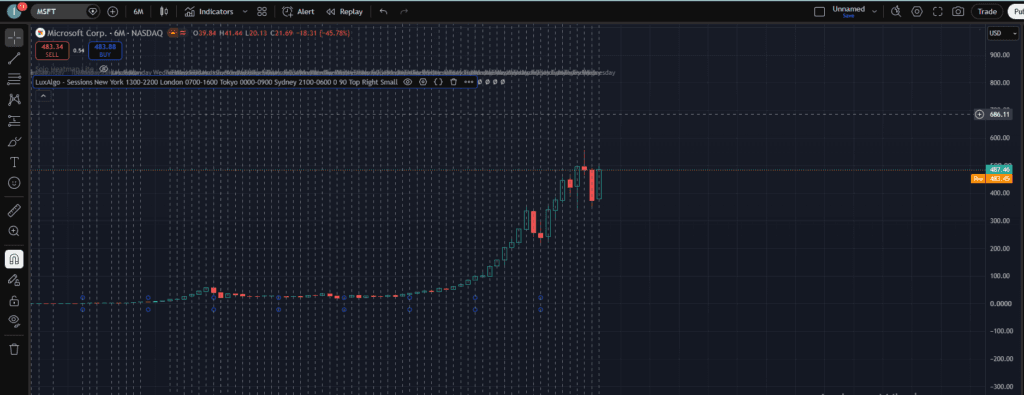
Microsoft has delivered one of its strongest quarterly reports in recent years, providing investors with the clearest evidence yet that its multi-billion-dollar investment in artificial intelligence is beginning to generate measurable financial returns.
The company exceeded Wall Street expectations across nearly every major metric, while Azure reached a historic milestone of more than $100 billion in annual revenue for the first time. Microsoft also revealed that Microsoft 365 Copilot now has more than 30 million paid seats, highlighting rapidly growing enterprise adoption of generative AI.
Following the announcement, Microsoft shares jumped more than 8% in after-hours trading before extending gains during regular trading sessions, pushing the company closer to new all-time highs. (Reuters)
Microsoft Earnings Highlights
The fiscal fourth quarter (ended June 30, 2026) produced impressive results:
| Metric | Result |
|---|---|
| Revenue | $90 billion (+18% YoY) |
| Net income | $35.8 billion (+31% YoY) |
| Azure growth | 43% YoY |
| Microsoft Cloud revenue | $59.3 billion (+27%) |
| Azure annual revenue | Over $100 billion |
| Microsoft 365 Copilot | 30+ million paid users |
| AI contract backlog | $678 billion |
The numbers significantly exceeded analysts’ expectations, easing investor concerns that Microsoft’s aggressive AI spending would hurt profitability.
Azure Crosses the $100 Billion Milestone
Perhaps the most important announcement was Microsoft’s disclosure that Azure has officially generated more than $100 billion in annual revenue.
Historically, Microsoft has not disclosed Azure’s exact revenue, making this announcement particularly significant for investors comparing Microsoft with Amazon Web Services (AWS) and Google Cloud.
Azure revenue increased by 43% year-over-year, substantially outperforming many analyst forecasts.
CEO Satya Nadella stated that demand continues to come from both traditional cloud workloads and rapidly expanding AI services powered by Azure infrastructure. (The Wall Street Journal)
Microsoft 365 Copilot Continues Rapid Growth
Enterprise AI adoption also accelerated dramatically.
Microsoft reported that Microsoft 365 Copilot surpassed 30 million paid seats, up from approximately 20 million only one quarter earlier.
This represents one of the fastest enterprise software adoption curves in Microsoft’s history.
Rather than relying solely on consumer AI products, Microsoft continues to focus on enterprise productivity, integrating Copilot into:
- Microsoft Word
- Excel
- Outlook
- Teams
- PowerPoint
- Dynamics 365
- GitHub
This strategy allows Microsoft to monetize AI directly through existing enterprise subscriptions rather than depending primarily on advertising revenue.
(AP News)
Massive AI Infrastructure Investments Continue
Despite strong profitability, Microsoft continues investing aggressively in AI infrastructure.
Key figures include:
- $41 billion in quarterly capital expenditures
- approximately $145 billion invested during the fiscal year in data centers and computing infrastructure
These investments primarily support:
- Azure AI services
- OpenAI workloads
- Microsoft Copilot
- enterprise AI applications
- global cloud capacity expansion
While these spending levels remain exceptionally high, investors appear increasingly confident that demand justifies the investment. (Reuters)
Why Investors Responded Positively
Earlier in 2026, some analysts questioned whether Microsoft was spending too aggressively on AI infrastructure.
This earnings report largely answered that concern.
Investors saw evidence that:
- AI demand continues accelerating.
- Azure growth remains exceptionally strong.
- Copilot adoption is scaling rapidly.
- Cloud margins remain healthy despite infrastructure expansion.
- Long-term enterprise contracts continue increasing.
The result was a sharp rally in Microsoft’s stock price following the earnings release. (Investopedia)
Competition With AWS and Google Cloud
The cloud computing market remains intensely competitive.
Major players include:
- Microsoft Azure
- Amazon Web Services (AWS)
- Google Cloud
However, Microsoft’s competitive position has strengthened considerably because AI services are becoming deeply integrated into Azure’s cloud platform.
Meanwhile, Google Cloud continues reporting strong cloud growth, while AWS remains the market leader in overall cloud infrastructure.
The current AI race is increasingly driven by:
- GPU availability
- data center capacity
- enterprise AI adoption
- developer ecosystems
- integrated AI software
Microsoft currently benefits from combining cloud infrastructure, productivity software, developer tools, and AI models within one ecosystem. (Reuters)
What Risks Remain?
Despite the strong results, investors should continue monitoring several risks:
- exceptionally high capital expenditures;
- increasing competition from AWS, Google, Anthropic, and OpenAI;
- regulatory scrutiny surrounding AI;
- electricity and infrastructure constraints;
- future AI monetization rates.
Although demand remains robust, Microsoft’s long-term returns depend on whether AI revenue continues growing faster than infrastructure costs.
Outlook
Microsoft’s latest earnings suggest the company’s AI strategy is transitioning from heavy investment toward measurable financial returns.
Key indicators, including Azure’s record revenue, expanding Copilot adoption, and growing cloud backlog, show increasing enterprise demand for Microsoft’s AI ecosystem.
If current growth trends continue, Microsoft appears well positioned to remain one of the dominant companies in enterprise artificial intelligence over the coming years.
Official Sources
- Microsoft Investor Relations (FY2026 Q4 Earnings): https://www.microsoft.com/en-us/investor
- Microsoft News Center: https://news.microsoft.com
- Reuters: https://www.reuters.com/business/microsoft-tops-quarterly-cloud-growth-estimates-easing-spending-concerns-2026-07-29/ (Reuters)
- Associated Press: https://apnews.com/article/f7dff4fb9d51a2bdec56a13e5da1053d (AP News)
- Wall Street Journal: https://www.wsj.com/articles/microsoft-earnings-q4-fy26-msft-stock-dfd3843e (The Wall Street Journal)
For better SEO and user engagement, I also recommend adding 4–6 news screenshots (Reuters, AP, Microsoft Investor Relations, CNBC, Yahoo Finance, or The Verge) with descriptive alt text such as “Microsoft Q4 FY2026 earnings report showing Azure revenue growth” and compressing them to WebP format.